How to Create a Good Jiu Jitsu Gym Culture
Key Takeaways
Strong gym culture drives retention in BJJ academies.
Welcoming beginners, managing ego, and protecting the room are essential.
MAAT tools help coaches track growth and reinforce culture.
Introduction
Gym culture is the invisible hand that shapes every experience on the mat. It's in the smiles between rounds, the care during hard rolls, and the feeling you get walking through the door. For Brazilian Jiu Jitsu gyms, where close contact, hierarchy, and vulnerability are part of daily training culture can make or break your academy.
This article breaks down six real, practical ways to build a culture that not only keeps students safe but keeps them coming back.
Who Are We?
We’re MAAT, a gym management App built for BJJ.
Over the past few years, we’ve helped hundreds of BJJ gyms get started, grow, and stay profitable.
From brand-new academies to well-established schools, we’ve seen what makes a gym thrive and what causes some to struggle.
Lead by Example
The coach sets the cultural baseline. Students quickly absorb what's normalized and often it has little to do with what's said out loud.
Show up on time? Students will too.
Train humbly, tap often, help others? That becomes the standard.
Lose your temper or favor top athletes? Expect division and anxiety to spread.
If you're running a gym, your every action teaches something.
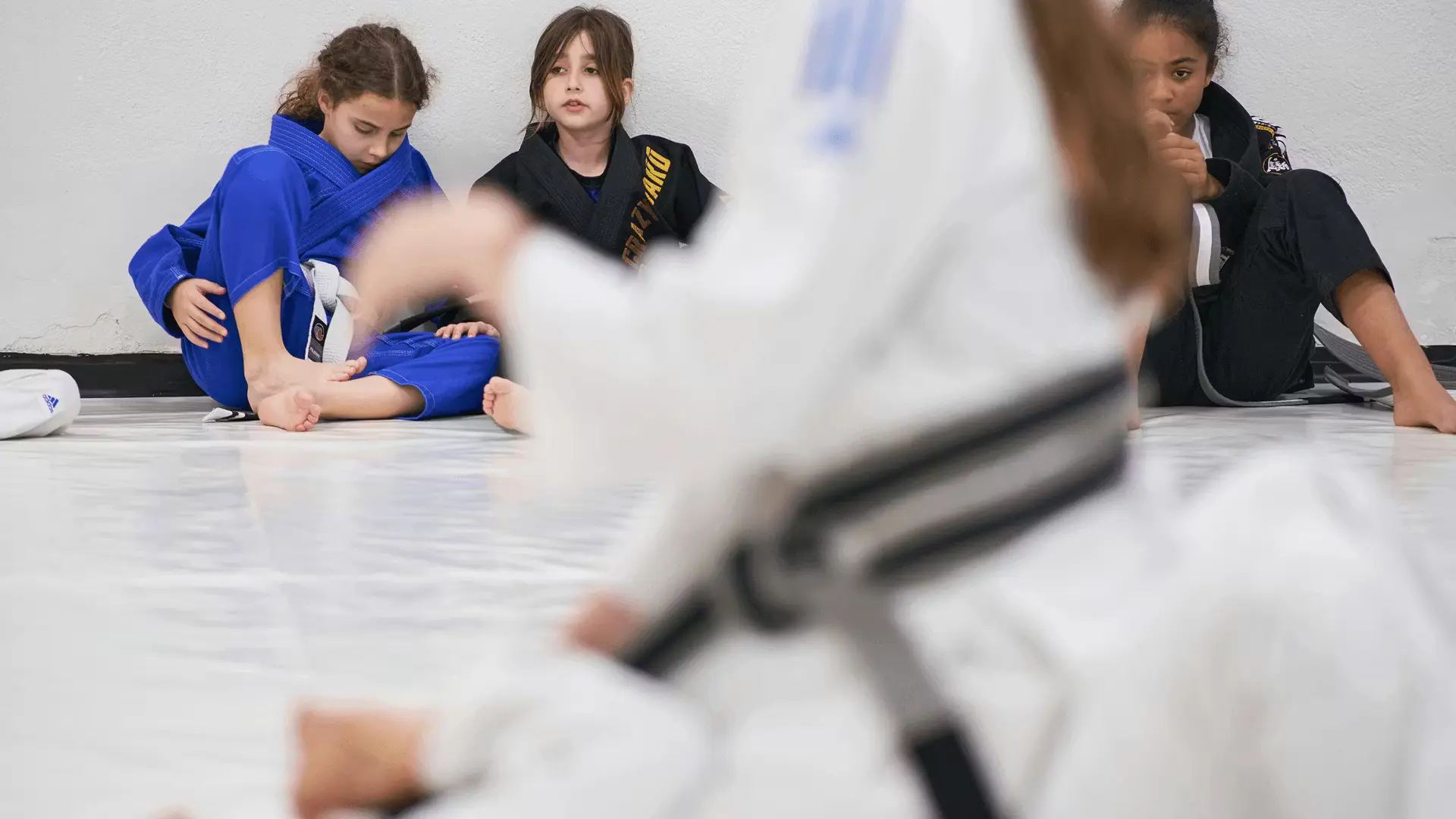
Welcome the New Ones
Beginners don’t quit because the training is hard but becase the room felt cold.
Your newest members are scanning for cues: Am I welcome here? Will I get hurt? Do I belong?
If senior students ignore them or coaches barely acknowledge their presence, the answer becomes “no.”
Building a welcoming culture means designing rituals for new arrivals: first-week check-ins, designated training buddies, open intros before class. Don't assume friendliness, build systems for it.
Kill the Ego
Rolling should be a conversation, not a conquest.
But that’s only true in a gym where ego is actively managed.
Ego shows up in students who never tap and risk injury, higher belts who avoid tough rounds to protect their image, instructors who compete with their students during rolls.
If tapping is seen as shameful, students will avoid hard situations and stop progressing.
Instead, normalize curiosity. tapping is the receipt for a good lesson.
Celebrate Growth
Progress in Jiu Jitsu is hard to see, that’s why recognition is a powerful tool for motivation and for retention.
Celebrate a shy student leading warmups for the first time, a parent returning to train after injury or someone hitting 10 classes in a month despite full-time work.
Recognition makes people feel seen, that’s what builds trust and what’s what keeps people showing up when life gets heavy.
Protect the Room
It only takes one careless upper belt, one toxic comment, one unsupervised roll to start a ripple.
Culture demands protection, not from outsiders, but from entropy.
Boundaries must be active:
Call out cliques early.
Correct unsafe behavior in real time.
Speak to the values every week, not just in onboarding.
The best rooms are built on trust, not toughness. And trust is built when everyone knows the rules, and believes they’ll be upheld.
Conclusion
A strong gym culture isn’t loud.
It keeps students coming back, keeps rolls honest, keeps injuries rare, and keeps your academy something people are proud to belong to.
If you’re building a gym, remember: systems like MAAT can manage payments and attendance, but only you can shape the energy on the mat.
Start today, lead with intention and protect what matters.